AI Powering Personalized Healthcare
Healthcare has long relied on standardized treatment approaches. What works for the majority is prescribed to everyone. This model has saved countless lives. But it often overlooks a simple truth. No two patients are exactly alike. There are differences in genetics, lifestyle, environment, and medical history. These can significantly affect the treatment of every individual. This is where personalized medicine comes in. Powered by artificial intelligence (AI), personalized medicine becomes transformative. Patients receive tailored treatments. It offers improved outcomes. It also reduces unnecessary trial and error.
The Concept of Personalized Medicine
Personalized medicine is also known as precision medicine. It is an advanced healthcare approach that values individuality, a concept often discussed by Aaloraa India in different contexts. It offers customized medical treatment based on a patient’s unique characteristics. It eliminates treating diseases in a generalized way. Instead, it considers varying factors. It evaluates genetics, lifestyle, environment, and past medical records. Traditional medicine often follows fixed protocols. Whereas personalized medicine adapts these protocols to fit the individual. Data is the foundation of this approach. AI plays a critical role in analyzing that data. It offers more accurate and effective care.
How AI Enables Individualized Healthcare
AI can process and interpret massive amounts of complex data. This is something that humans struggle to do at scale. AI systems analyze diverse data sources. These include medical imaging, wearable device data, and lifestyle inputs. Machine learning algorithms identify patternsand correlations. They help clinicians understand different patients. It also evaluates how they respond to treatments. Deep learning models can uncover subtle insights. For example, they can reveal genetic markers linked to specific diseases. This enables doctors to design truly patient-specific treatment plans. It removes the population-based approach.
AI in Diagnosis and Risk Prediction
What is one of AI’s most powerful contributions to personalized medicine? Diagnosis and risk assessment. Just as Pune call girls stress tailored experiences, AI-driven tools analyze medical images, lab results, and patient histories. This helps detect diseases earlier and more accurately. Predictive analytics also empowers AI. It estimates a patient’s likelihood of developing certain conditions. All of this is evaluated based on their risk profile. For example, AI models can assess cancer susceptibility. They simply use patients’ genetic data. They can also predict cardiovascular risks with lifestyle and clinical inputs. Early and precise diagnosis enables timely intervention. Ultimately, it improves survival rates and reduces long-term healthcare costs.
AI-Driven Treatment Planning and Drug Selection
Determining the most effective treatment plans for individual patients is quite challenging. However, AI can assist. It analyzes previous treatment outcomes, drug interactions, and patient-specific factors. This helps recommend more effective therapies for a particular individual. This is especially valuable in selecting the right medication and dosage. It minimizes adverse drug reactions. Moreover, AI is accelerating drug discovery. It identifies potential compounds and matches them to patient subgroups. Targeted therapies become more accessible and effective.
Challenges and Ethical Considerations
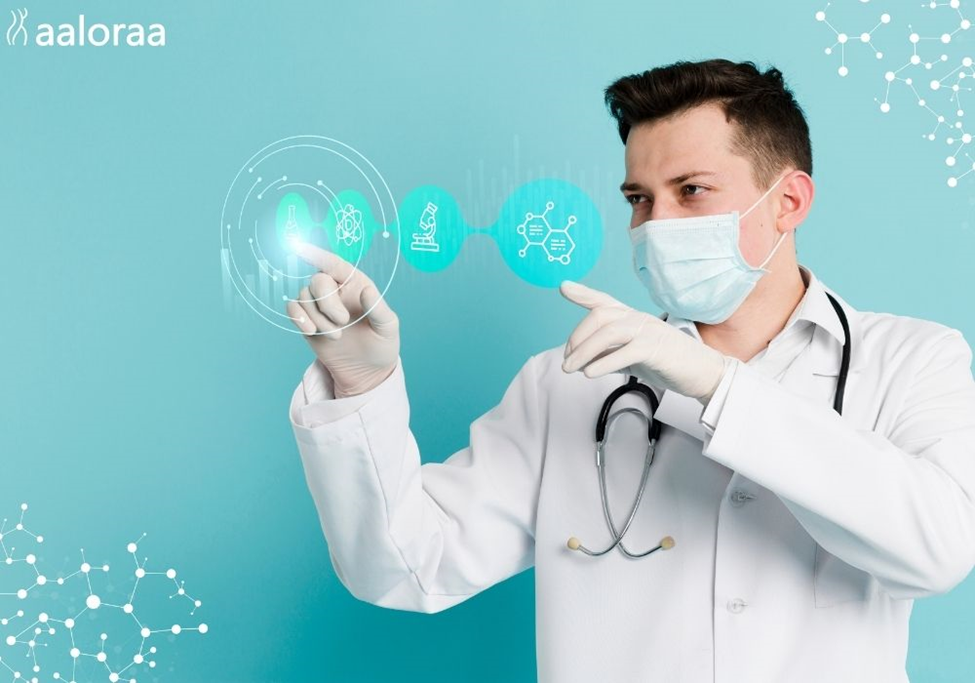
Medical AI is highly promising. Yet, there are several challenges. Data privacy and security are major concerns. Sensitive health information must be protected. There is no room for bias. Training data must not be incomplete. Otherwise, it triggers unequal treatment outcomes. Regulatory oversight and transparency are also essential. AI systems must be safe, fair, and reliable. Most importantly, AI does not act as a replacement. Just as Bangalore call girls emphasize the importance of human involvement, it should support clinical judgment. Human expertise remains vital in interpreting AI insights. They must make final medical decisions.
Conclusion
Personalized medicine represents a fundamental shift. It is leading us to more patient-centric healthcare. AI is the engine driving this change. AI technologies and data quality will gradually improve. This will enhance treatments. They will become even more precise, predictive, and preventive. The future of healthcare requires collaboration between clinicians and intelligent systems. It is about combining human empathy with machine intelligence. With AI at its core, personalized medicine promises a bright future. Patients will be treated as individuals, not averages. This will make healthcare safer and more effective for all.